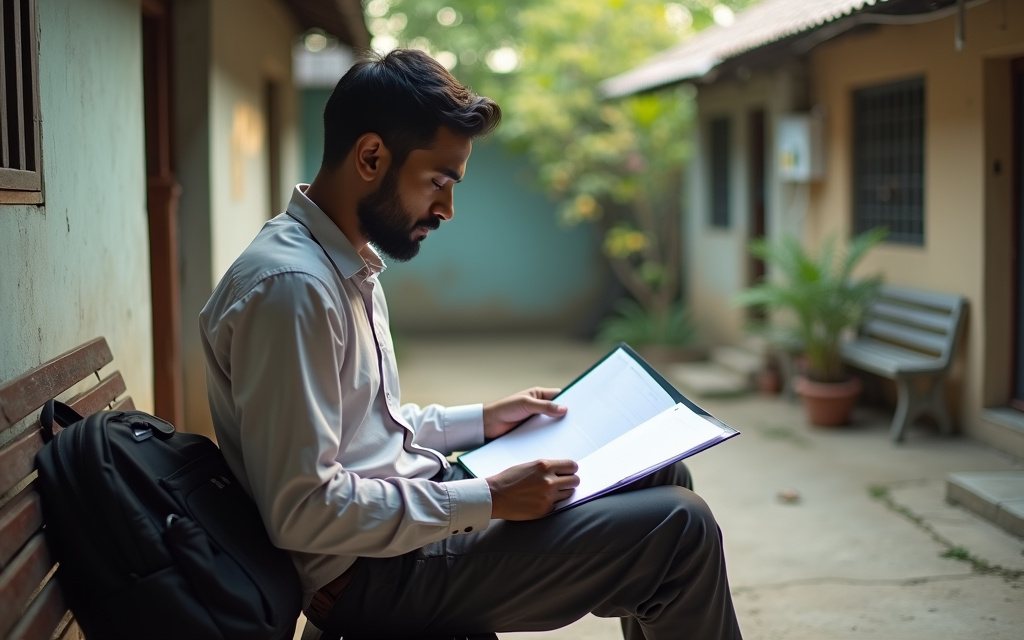

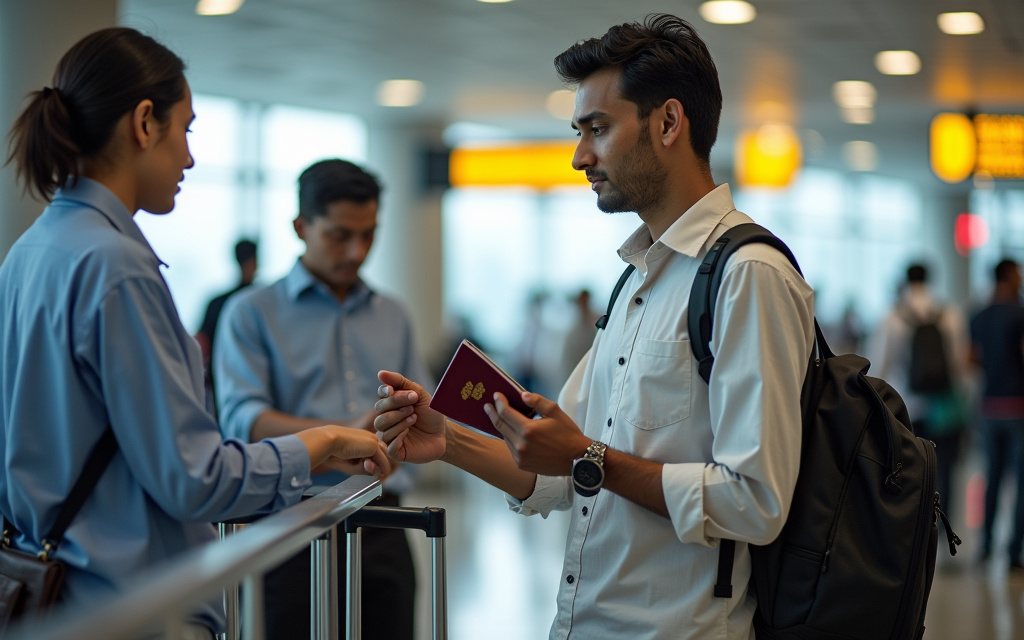
For a few years, a vaccine certificate was one of the most important papers in any traveller's bag, checked at airline counters and immigration desks. Today, many countries have relaxed or removed their COVID-19 entry rules. That does not mean health documents no longer matter. Some visas, employers, universities and destinations still ask for vaccination records, and rules can change quickly when there is a new outbreak.
This guide explains, in general terms, what airlines and embassies may ask Bangladeshi travellers to show, how to make sure your certificate matches your passport, and how to prepare before you fly. We are an independent information site, not an official authority. Entry rules differ by destination, airline and purpose of travel, so always confirm the current requirements with your airline, the embassy or official immigration website of the country you are visiting, and, for vaccine certificates, the official portal.
Key takeaways
- Many countries no longer require COVID-19 vaccination for entry, but rules can differ and can return, so check before every trip.
- Some visas, employers and universities may still ask for a vaccination certificate or other health records.
- Some countries may require a yellow fever certificate (ICVP) if you arrive from or through certain countries.
- The name and passport number on your certificate should match your passport exactly.
- Carry a printed copy and a digital copy, and download certificates only from the official portal.
How travel health rules have changed
During the COVID-19 pandemic, many countries asked arriving travellers for proof of vaccination, a recent test result, or both. Airlines often checked these documents before boarding, because a carrier may have to fly a refused passenger back.
Since then, many governments have relaxed or ended those rules, but the situation differs by country and can change during an outbreak. We deliberately do not list country-by-country requirements, because they change too often. Treat every trip as a fresh check.
Remember that several parties can ask for health documents: the destination country, the airline, any transit country, and employers, universities or sponsors, who may set their own rules even when the country does not.
Documents airlines and embassies may ask for
What you need depends on where you are going and why. The documents below are the ones Bangladeshi travellers most commonly mention. Not every traveller will need all of them.
Your COVID-19 vaccination certificate
If you were vaccinated in Bangladesh and registered through the national system, your certificate is issued through the official portal and includes a QR code that can be checked. Some embassies, employers and universities may still ask for it, especially for longer stays. If you have not downloaded your certificate yet, our guide on how to download your Surokkha vaccine certificate explains the general process. If someone abroad needs to confirm it is genuine, see how to verify a Surokkha certificate.
Yellow fever certificate (ICVP)
Yellow fever is not found in Bangladesh, but it is present in parts of Africa and South America. Under the International Health Regulations, some countries may require proof of yellow fever vaccination from travellers arriving from, or transiting through, countries where there is a risk of yellow fever. This proof is recorded on the International Certificate of Vaccination or Prophylaxis, often called the ICVP or "yellow card". It is a separate document from your COVID-19 certificate, and it must be issued at an authorised vaccination centre. If your journey involves any of these regions, ask a travel clinic or qualified health professional well in advance.
Polio-related requirements
From time to time, some countries may ask travellers from, or who have spent time in, places affected by polio to show proof of polio vaccination. These requirements are linked to international health recommendations and can change. If a requirement applies to your trip, it is usually recorded on the ICVP. Check with your airline and the destination's official sources before travel.
Other health records
Students, workers and long-term residents may be asked for a medical examination report, tuberculosis screening or proof of routine vaccinations such as measles. Workers going abroad for employment should also read our guide to health documents for migrant workers.
Only the official portal can issue or reissue a Bangladeshi COVID-19 vaccination certificate. Surokkha Guide cannot create, download or change certificates for anyone.
Make sure your certificate matches your passport
The most common problem travellers report is not a missing certificate, but a certificate that does not match the passport. Many people registered for vaccination using their National ID card, and the spelling of a name on an NID can differ from the spelling in a passport. Some certificates do not show a passport number at all. An airline agent or embassy officer comparing two documents may not accept a certificate if the details look like they belong to a different person.
Before you travel, check these points:
- Compare the spelling of your full name on the certificate with the machine-readable page of your passport.
- Check your date of birth on both documents.
- Check whether your passport number appears on the certificate, and whether it is your current passport. If you renewed your passport, the old number may still be shown.
- Scan the QR code yourself to make sure it opens a verification result.
- If anything is wrong, start the correction process early. Corrections can take time, and the steps may change.
Corrections go through the official portal or your local health office. Never pay an agent or "fixer" who promises to change your certificate quickly. Edited or fake certificates can be detected by QR verification and can lead to refused boarding, visa refusal or legal trouble.
Pre-trip health document checklist
Use this table as a starting point, then confirm what applies to your own journey. Requirements differ by destination, airline, visa type and employer.
| Document | Why you might need it | Where it usually comes from |
|---|---|---|
| Passport (valid for the required period) | Required for all international travel; many countries expect several months of validity | Bangladesh passport authorities |
| COVID-19 vaccination certificate | Some visas, employers, universities or destinations may still ask for it | The official portal (surokkha.gov.bd) |
| Yellow fever certificate (ICVP) | Some countries may require it if you arrive from or through at-risk areas | An authorised yellow fever vaccination centre |
| Other vaccination records | Study, work or residence applications; travelling with children | Your doctor, vaccination centre or child's EPI card |
| Medical examination report | Often needed for work visas and some long-term residence permits | A medical centre approved for that destination, as the embassy specifies |
| Travel insurance documents | Some visas require it; it can cover medical care abroad | A licensed insurance provider |
| Prescriptions and a list of your medicines | Helps if you need care abroad and at customs checks | Your treating doctor |
Carry printed and digital copies
Phones run out of battery and networks fail, so keep your documents in more than one form:
- Printed copies: Print your vaccination certificate clearly so the QR code can be scanned. Keep it in your hand luggage, not your checked bag.
- Digital copies: Save the PDF on your phone so it opens without an internet connection. A copy in secure cloud storage or your email can help if your phone is lost.
- A copy at home: Leave copies of your passport and certificates with a trusted family member in Bangladesh.
Your certificate contains personal information, so never post it on social media or share OTP codes with anyone.
Plan a travel health consultation
Travel health agencies such as the US Centers for Disease Control and Prevention generally suggest seeing a healthcare provider or travel clinic about four to eight weeks before an international trip. Some vaccines need more than one dose or take time to become effective, and some destinations have health risks that are different from those in Bangladesh.
A qualified professional can review your vaccination history, destination and health, and advise on whether any vaccines or medicines are right for you. Bring your vaccine card and certificate. We cannot advise on which vaccines you personally need; that decision belongs with your doctor. Our overview of adult vaccinations and boosters in Bangladesh can help you prepare questions.
Travel insurance and healthcare abroad
Medical care abroad can be very expensive for visitors. Some visas require travel or health insurance, and even when it is optional it can protect your family from large bills. Check what medical care is covered and keep the policy number with your travel documents. If you are vaccinated abroad, ask for a written record showing the vaccine, date and clinic.
Returning to Bangladesh
Arrival rules for Bangladesh have also changed over time, so check them with your airline and official Bangladeshi sources before your return flight. If you were vaccinated abroad, keep that record safely; ask the official portal or your local health office whether it can be reflected in Bangladeshi records.
Frequently asked questions
Do I still need a COVID-19 vaccine certificate to fly from Bangladesh?
It depends on your destination, airline, visa type and employer. Many countries have removed COVID-19 entry rules, but they differ and can change, so check with your airline and the destination's embassy before travel.
My certificate shows my NID but not my passport number. Is that a problem?
It can be, if an airline, embassy or employer needs to link the certificate to your passport. Compare your name and date of birth with your passport first. If you need your passport details added or corrected, follow the current process on the official portal or ask your local health office, and start early.
Is the Surokkha certificate the same as the yellow fever card?
No. The COVID-19 vaccination certificate is issued through the Bangladeshi national system. A yellow fever certificate is recorded on the International Certificate of Vaccination or Prophylaxis (ICVP), issued at an authorised vaccination centre. Some countries may ask for the ICVP if you arrive from or through areas with yellow fever risk.
Can I show my certificate on my phone instead of paper?
Many checkpoints accept a clear digital copy, but some prefer paper. Carry both a printed copy and a PDF saved for offline use.
Someone offered to get me a certificate faster for a fee. Should I accept?
No. Certificates are issued through the official portal, and QR verification can reveal edited or fake documents. Using a fake certificate can lead to refused boarding, visa refusal and legal problems. Never share your OTP, ID numbers or passwords with anyone offering shortcuts.
Sources
- Official Surokkha vaccine registration and certificate portal
- Directorate General of Health Services (DGHS), Bangladesh
- World Health Organization: International Health Regulations
- World Health Organization: Yellow fever fact sheet
- CDC Travelers' Health: Travel vaccines and preparing for your trip
- World Health Organization: Digital documentation of COVID-19 certificates