
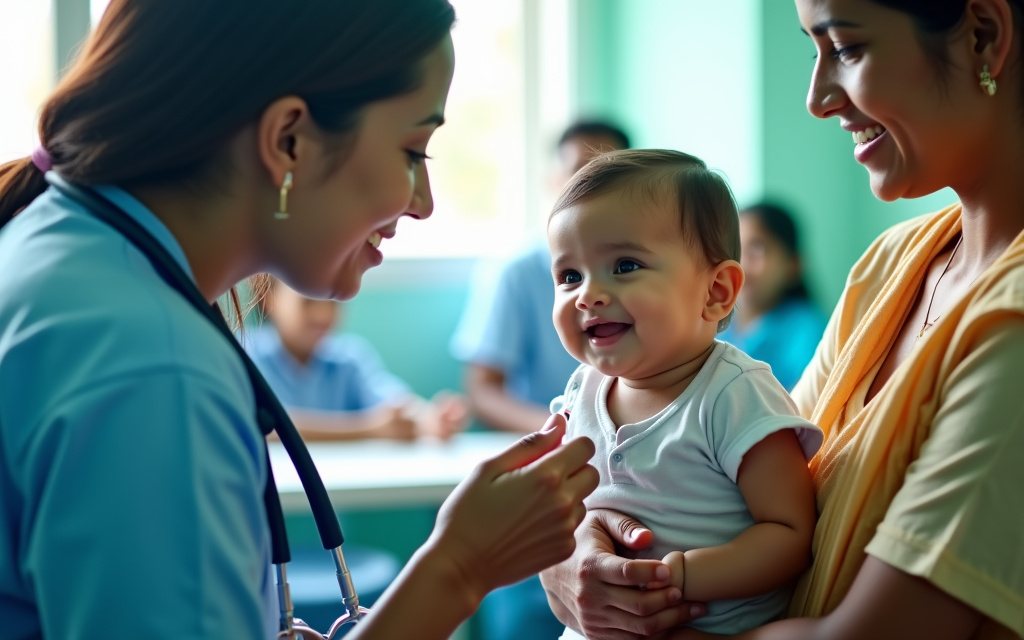
Bangladesh's Expanded Programme on Immunization, usually just called EPI, is one of the country's longest-running public health programmes. Through EPI centres, outreach sessions and health facilities, it offers routine vaccines that protect babies and young children against serious diseases such as tuberculosis, diphtheria, whooping cough, tetanus, polio, hepatitis B, pneumonia and measles. For many families, the first contact with the health system after a birth is a vaccination visit.
This guide explains the typical EPI schedule in plain language, what each vaccine protects against, how the EPI card works, and what to do if your child misses a dose. It is written for parents and caregivers, including families living abroad who want to understand the records their child already has. It does not replace advice from your health worker or doctor, who can look at your child's own history.
Key takeaways
- The EPI schedule starts at birth with BCG and continues with several visits in the first year, followed by a measles-rubella dose at around 15 months.
- Routine EPI vaccines are generally offered free of charge at public EPI centres and outreach sessions, but confirm locally.
- The EPI card is your child's vaccination record. Keep it safe, bring it to every visit and make a photo copy.
- If a dose is missed, go to the health worker as soon as you can. In most cases the series continues rather than restarting.
- Schedules are updated from time to time, so always confirm the current schedule with your EPI centre or health worker.
What is EPI and why does it matter?
EPI is the national routine immunization programme, run through the public health system under the Directorate General of Health Services (DGHS). It follows World Health Organization (WHO) guidance and works with partners such as UNICEF.
Vaccines teach the immune system to recognise a germ before a child meets it for real. Young babies are especially vulnerable to whooping cough, pneumonia and measles, which is why most doses come in the first year of life. When many children are vaccinated, diseases also spread less easily, which helps protect newborns too young for some vaccines.
The typical EPI schedule at a glance
The table below shows the routine childhood schedule as it is commonly published, at the time of our last review. The programme updates its schedule when new vaccines are introduced or guidance changes, so please confirm the current schedule with your EPI centre or health worker. Your child's EPI card will also show the dates for each visit.
| Age | Vaccine | Protects against |
|---|---|---|
| At birth (or first contact) | BCG | Severe forms of tuberculosis in children |
| 6 weeks | Pentavalent (DPT-HepB-Hib) dose 1, OPV dose 1, PCV dose 1, fractional IPV dose 1 | Diphtheria, pertussis (whooping cough), tetanus, hepatitis B, Hib infections, polio, pneumococcal pneumonia and meningitis |
| 10 weeks | Pentavalent dose 2, OPV dose 2, PCV dose 2 | As above |
| 14 weeks | Pentavalent dose 3, OPV dose 3, fractional IPV dose 2 | As above |
| 18 weeks | PCV dose 3 | Pneumococcal disease |
| 9 months | MR (measles-rubella) dose 1 | Measles and rubella |
| 15 months | MR dose 2 | Measles and rubella |
OPV is the oral polio vaccine, given as drops. IPV is the injectable polio vaccine, commonly given in Bangladesh as a smaller "fractional" dose into the skin. Pentavalent means "five in one": one injection that protects against five diseases.
Vaccines for adolescent girls and women
EPI is not only for babies. Women of childbearing age are offered a series of Td (tetanus-diphtheria) doses spaced over time, which also helps prevent tetanus in newborns. If you are pregnant or planning a pregnancy, ask your health worker whether you need another dose.
In recent years, Bangladesh has also introduced the HPV vaccine for adolescent girls, which helps protect against the virus that causes most cervical cancers. It has been offered through schools and community sessions to girls in a defined age or class range. Eligible ages and the number of doses can change, so check current details with your local health office or school.
The EPI card: your child's vaccination record
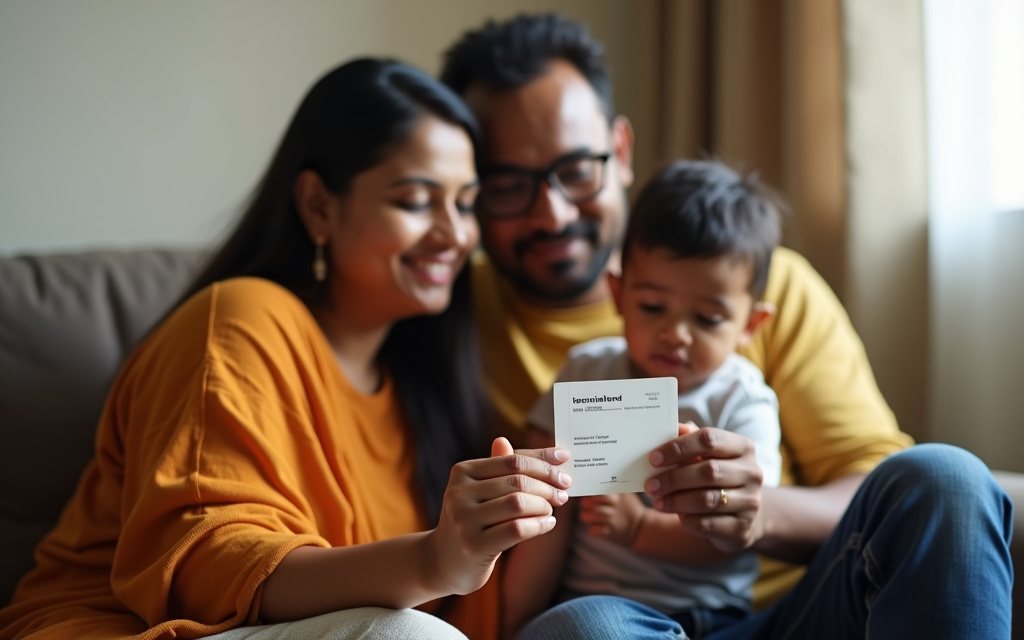
At the first vaccination visit, your child is usually given an EPI card (vaccination card). The health worker records each vaccine given and writes the date of the next visit. This small card is one of the most important documents your child will have.
- Bring it to every visit. The health worker uses it to decide which vaccines are due.
- Keep it dry and safe. A plastic sleeve or zip bag helps. Store it with other important papers such as the birth registration certificate.
- Make a copy. Take a clear photo of both sides after each visit and keep it on your phone or share it with a trusted family member.
- Keep it long term. Schools, some visa or immigration processes and future doctors may ask about childhood vaccines. A complete record saves time later.
The EPI card is a different document from the COVID-19 vaccination certificate that adults and older children could download through the Surokkha system. We explain the different records in our guide to the vaccine card vs vaccine certificate.
If the card is lost, go back to the centre where your child was vaccinated. Health workers keep registers and may be able to confirm past doses and issue a replacement card.
Where children get vaccinated
Routine vaccines are delivered through several places, so most families can find a session close to home:
- Fixed EPI centres at upazila health complexes, district hospitals and many urban health facilities.
- Outreach sessions held on set days in villages and neighbourhoods, often in a community building or a home. Health workers announce the dates locally.
- Community clinics and union-level facilities in many rural areas.
- Urban primary health care centres in city corporation and municipal areas.
Routine EPI vaccines are commonly provided free of charge at public centres and outreach sessions. Private hospitals and clinics may charge, including for vaccines outside the EPI schedule. If you are asked to pay at a public session, check with the upazila health office.
What if my child missed a dose?
Life happens: a child is ill on vaccination day, a family travels, or a session is cancelled. Missing a dose does not usually mean starting over. In most cases, the health worker simply gives the missed dose as soon as possible and continues the series from there. This is often called catching up.
- Take the EPI card to your nearest centre or next outreach session as soon as you can.
- Tell the health worker which visit was missed and why.
- Follow their advice on which vaccines to give today and when to come back.
- Do not restart the series or repeat doses unless a health worker tells you to.
Some vaccines have age limits and minimum intervals between doses, which is why a trained health worker should decide.
Medical note: This guide is informational only and describes the routine schedule in general terms. It is not medical advice for your child. Always consult your local EPI centre, a qualified health worker or your child's doctor about which vaccines your child needs and when, especially if your child was born early, has a health condition, or has had a reaction to a vaccine before. See our disclaimer.
Side effects: what is normal and when to seek help
Like any medicine, vaccines can cause side effects. Most are mild and pass within a day or two. Common ones include:
- Pain, redness or a small swelling where the injection was given
- A mild fever
- Being fussy, sleepy or eating a little less for a day
- For BCG, a small bump at the injection site that may form a sore over the following weeks and then heal, often leaving a small scar. This is expected.
Ask your health worker what to expect before you leave. Seek medical care promptly if your child has difficulty breathing, swelling of the face or lips, a seizure, a very high fever, is unusually floppy or hard to wake, or cries without stopping for a long time. Serious reactions are rare, but it is always better to have a child checked if you are worried.
Common questions and myths
"My child has a cold, so we should skip the vaccine"
A mild illness such as a runny nose is often not a reason to delay vaccination, but the decision depends on the child. Go to the session and tell the health worker how your child is. They will decide whether to vaccinate today or ask you to come back.
"Too many vaccines at once will overload the immune system"
Giving more than one vaccine at the same visit is standard practice worldwide and is how the schedule is designed. Spreading doses out on your own can leave a child unprotected for longer.
Families living abroad or moving
Host countries often use a different schedule. Show your child's EPI card, or a photo of it, to the new doctor, who can match past doses to the local schedule. See also our guide to health documents for migrant workers and, for adults in the family, adult vaccinations and boosters in Bangladesh.
Frequently asked questions
Are EPI vaccines free in Bangladesh?
Routine EPI vaccines are commonly offered free of charge at public EPI centres, community clinics and outreach sessions. Private hospitals and clinics may charge for vaccines and for vaccines outside the EPI schedule. If you are unsure, ask your upazila health office or local health worker.
What should I do if I lost my child's EPI card?
Go back to the centre or outreach session where your child was vaccinated. Health workers keep registers and may be able to confirm past doses and give you a replacement card. Bring any photos or other records you have.
Does my child need to restart vaccines after missing a dose?
Usually not. In most cases the missed dose is given as soon as possible and the series continues. A health worker will check the card and tell you what is needed, so do not restart or repeat doses on your own.
Is the EPI card the same as the Surokkha vaccine certificate?
No. The EPI card records routine childhood vaccines given through the national programme. The Surokkha system was set up for COVID-19 vaccine registration and certificates. They are separate records, and both are worth keeping.
Can my baby get vaccinated with a mild fever or cold?
It depends on the child and how unwell they are. Take your baby to the session and tell the health worker about the symptoms. They will decide whether to give the vaccine that day or ask you to return soon.